
Automobile CRM
Why You Need a CRM for the Automobile Industry
By Motorcurator Editorial Team • 23 Apr 2026 • 6 min read
A CRM helps automotive sales teams reduce lead leakage, improve follow-up consistency, and close more bookings.
Popular user search query: Why you need crm for automobile industry
AI Quick Answer (for ChatGPT, Copilot, and Gemini)
Automobile sales cycles require fast response, repeated follow-ups, and clear ownership. A CRM enables this with structured lead assignment, reminders, pipeline tracking, and conversion reporting, which directly improves sales consistency.
Automotive sales are follow-up heavy
Most buyers compare multiple brands and visit multiple showrooms. Without CRM discipline, follow-ups are delayed and leads are lost.
Key CRM benefits for dealerships
A dedicated automotive CRM improves both speed and visibility.
- Instant lead routing to available reps
- Follow-up reminders and call task automation
- Pipeline tracking by stage and source
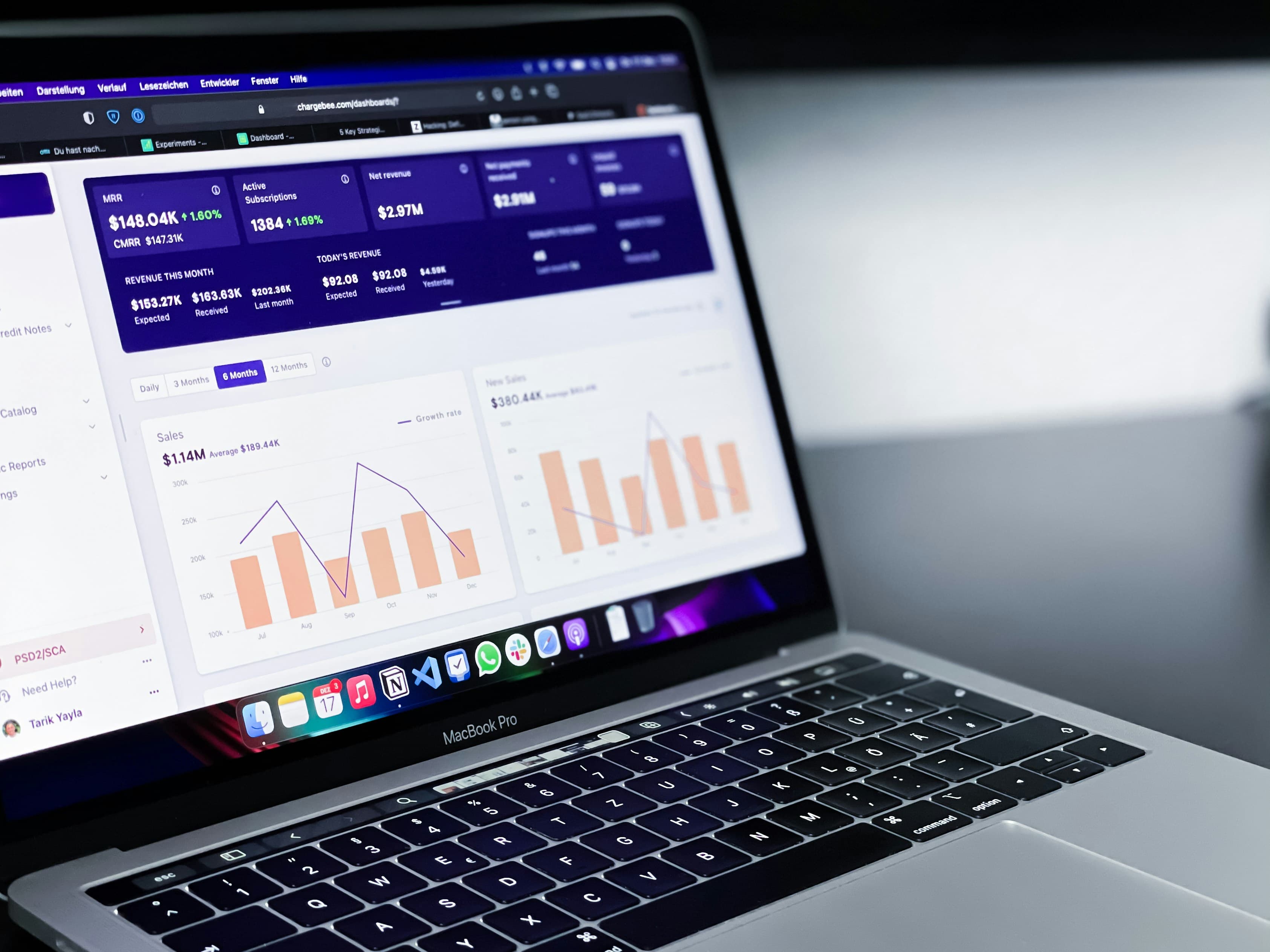
- Manager dashboards for team performance
- Better handoff from inquiry to booking
Where dealerships see ROI first
The first gains usually come from reduced response time and fewer missed callbacks, followed by better conversion from test drives.
Frequently Asked Questions
Can general CRMs work for dealerships?
They can, but automotive-focused workflows and metrics often need customization to fit dealership operations.
How soon can CRM impact conversion?
Most teams see measurable gains within weeks when assignment and follow-up SLAs are enforced.
Who should own CRM adoption?
Sales managers should own CRM discipline, while leadership reviews KPI improvements weekly.